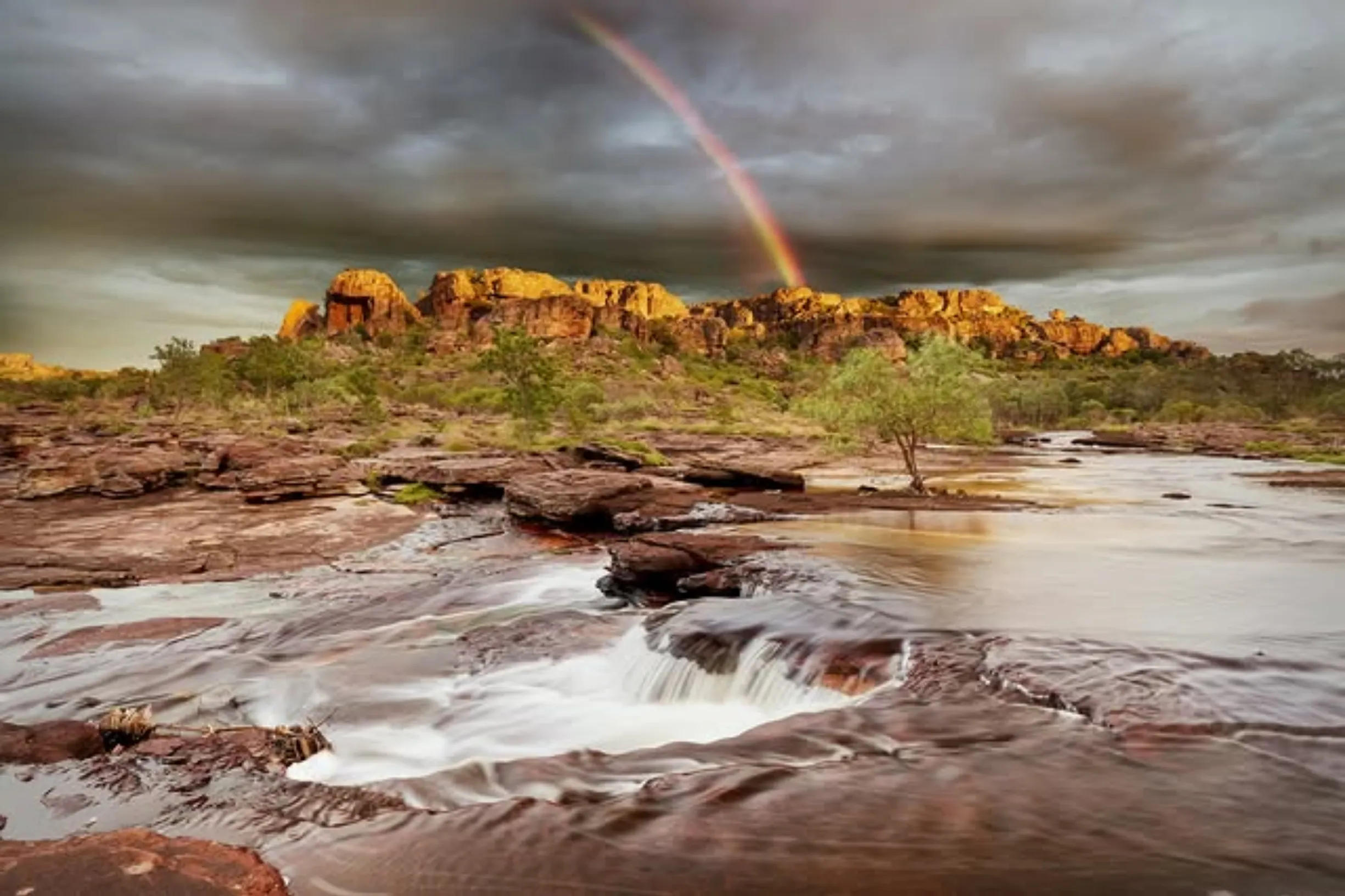
Kakadu National Park in the Northern Territory of Australia is one of the most diverse and culturally significant protected areas in the world. Home to ancient Aboriginal rock art, diverse ecosystems and rare wildlife, this UNESCO World Heritage Site spans over 20,000 square kilometres. It’s known for its intact landscape and natural values. The park is co-managed by Parks Australia and the Bininj/Mungguy Indigenous people whose deep spiritual and cultural connection to the land is the foundation for its conservation. But despite being protected, Kakadu faces many threats that imperil its ecological balance, cultural values and long-term sustainability.
For many visitors a Kakadu tour is a chance to see this amazing environment for themselves and understand the need for conservation. Guided experiences like 3 day Kakadu tours from Darwin are perfect for travellers who want to get into the park and learn about the challenges it faces.
1. Climate Change and Future Climate Risks
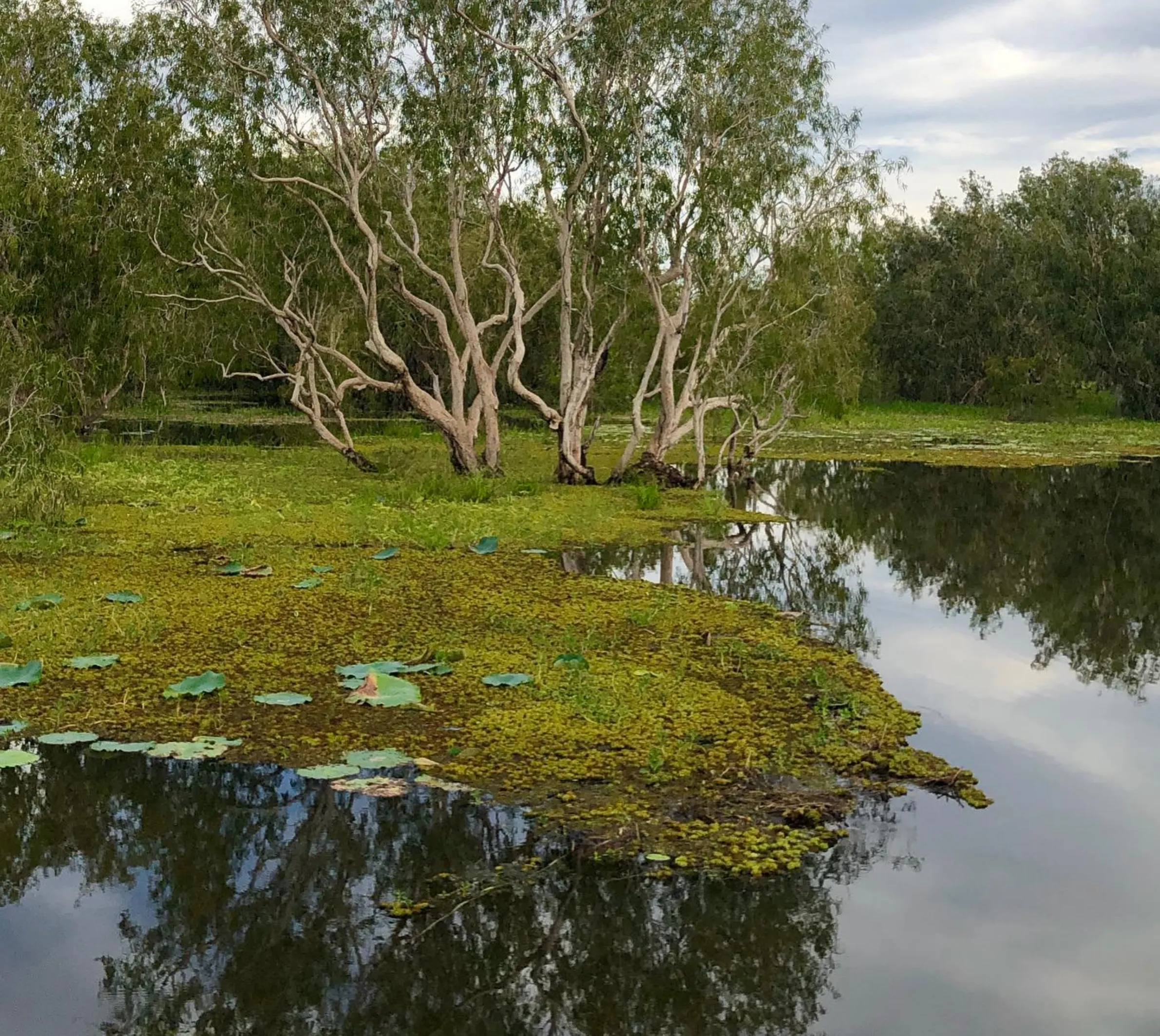
Climate change is one of the biggest and most complex threats to Kakadu. Rising temperatures and altered rainfall patterns – especially the disruption of the wet and dry seasons – are reshaping ecosystems across the park. These changes are drying out freshwater habitats, degrading wetlands and making species like the magpie goose, northern quoll and saltwater crocodile more vulnerable.
Saltwater intrusion from rising sea levels is a growing problem in Kakadu’s low-lying coastal floodplains. These ecosystems are rich in biodiversity and essential to the park’s ecological and cultural values are being salinized and turning into less productive environments. The future climate scenarios suggest more stress on vegetation, wildlife and water availability.
The Indigenous people of the region have traditionally used seasonal indicators for hunting, gathering and fire management. Climate change is disrupting these cycles and impacting both cultural practices and ecosystem health. Effective adaptation strategies based on Indigenous knowledge and scientific research are crucial for the park’s management plan.
2. Invasive Species and Invasive Animals

Kakadu is home to many native species but its biodiversity is under threat from invasive species and invasive animals. Feral cats, cane toads and water buffalo have done significant damage by preying on native wildlife, trampling vegetation and altering fire regimes. Feral cats have wiped out small mammal populations and contributed to the alarming decline of native species in recent decades.
Cane toads were introduced in the 1930s and are toxic to many native predators and have spread rapidly across the region. Water buffalo and wild pigs damage freshwater habitats and promote soil erosion and further degrade the park’s natural values.
Controlling invasive species is a key part of Kakadu’s management plan. This includes baiting, tracking, biological control and working with Indigenous rangers who bring valuable ecological knowledge to the task. Without these efforts invasive species will continue to be a major threat to the park’s ecological integrity.
3. Mining and Industrial Legacy
Mining is heavily regulated within and near the park now, but past activities have left a lasting impact. The Ranger Uranium Mine, within the park boundaries, closed in 2021 but the potential for contamination remains. Heavy metals and radioactive substances pose long term risk to water systems and biodiversity.
Monitoring and rehabilitation of the mine site is part of our ongoing environmental responsibility to ensure these direct impacts don’t cause irreparable harm to the park. For Indigenous communities the impacts of mining are not just environmental but cultural. Sacred sites have been disturbed and the cultural values tied to the land have been affected. An inclusive management plan that prioritises Indigenous voices is essential for healing and preservation.
4. Bushfires and Shifting Fire Regimes
Fire plays a crucial role in Kakadu, especially in savanna woodlands and grasslands. Traditionally Indigenous people used fire strategically during the early dry season to reduce fuel loads and prevent big fires later in the year.
But climate change and invasive species have changed fire regimes and we are seeing more frequent and intense fires that are harder to control. Uncontrolled bushfires can destroy animal habitats, reduce biodiversity and threaten sacred sites. Invasive grasses like gamba grass increase fuel loads and change the way fires behave.
Fire management is evolving to incorporate traditional burning practices and modern science. This dual approach, embedded in the park’s management plan, is helping to restore ecological balance while respecting cultural resources.
5. Tourism Pressure and Infrastructure Impact
Tourism is a big part of Kakadu’s economy and helps raise awareness about its natural and cultural values. But it also brings challenges. More visitors means more erosion, littering and damage to sensitive environments. Infrastructure development to support tourism – roads, walkways and facilities – can fragment habitats and put more pressure on wildlife.
Tourists sometimes unknowingly enter sacred Aboriginal sites cause distress to local communities and disrespect cultural traditions. Sustainable tourism that prioritises education, respectful behaviour and low-impact activities is essential.
Many visitors start their journey with a Kakadu tour from Darwin and it’s accessible but it also means we need to tread lightly in this unique landscape.
Travellers who want a broader experience often pair their visit with a Litchfield tours from Darwin and explore nearby national parks that face similar conservation challenges. Operators and visitors should follow Leave No Trace principles, stay on track and support Indigenous-led tourism that shares the park’s stories. Visiting during both wet and dry seasons helps spread the load and appreciate the park all year round.
6. Water Management and Freshwater Habitats
Kakadu’s freshwater habitats – rivers, billabongs and floodplains – are the heart of the park’s biodiversity and the cultural life of Indigenous people. These ecosystems are highly sensitive to water quality and hydrological changes caused by climate variability, mining, invasive species and human activity.
Saltwater intrusion, water pollution and changing flood patterns threaten fish, aquatic birds and plant life. For Indigenous people these waters are not just ecological resources – they are cultural resources tied to Dreaming stories, traditional practices and food sources.
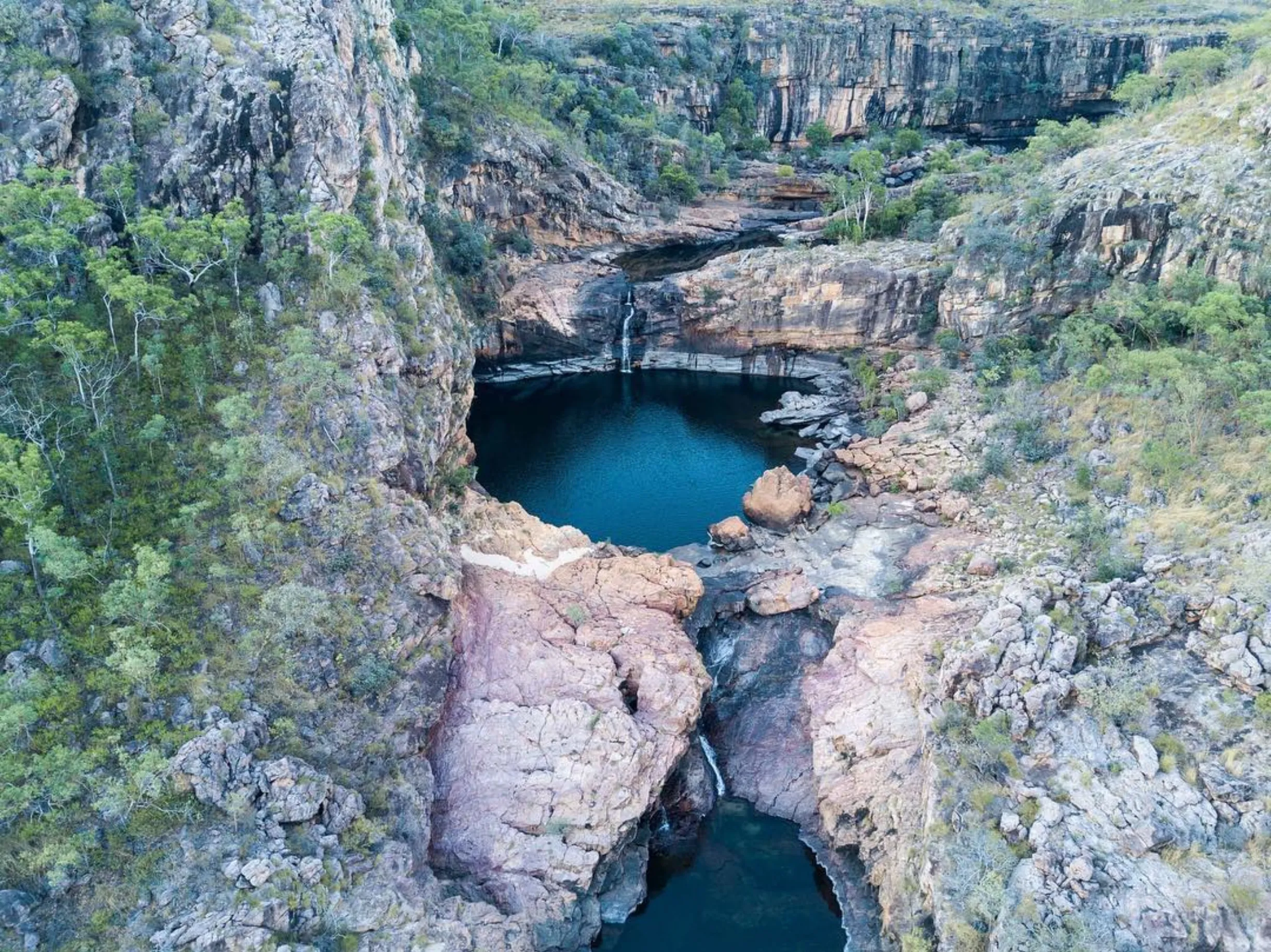
A water management plan is needed to protect these freshwater habitats. Strategies include monitoring water levels, reducing pollution risks, managing invasive aquatic species and maintaining healthy wet season flows to replenish the floodplains.
Conclusion
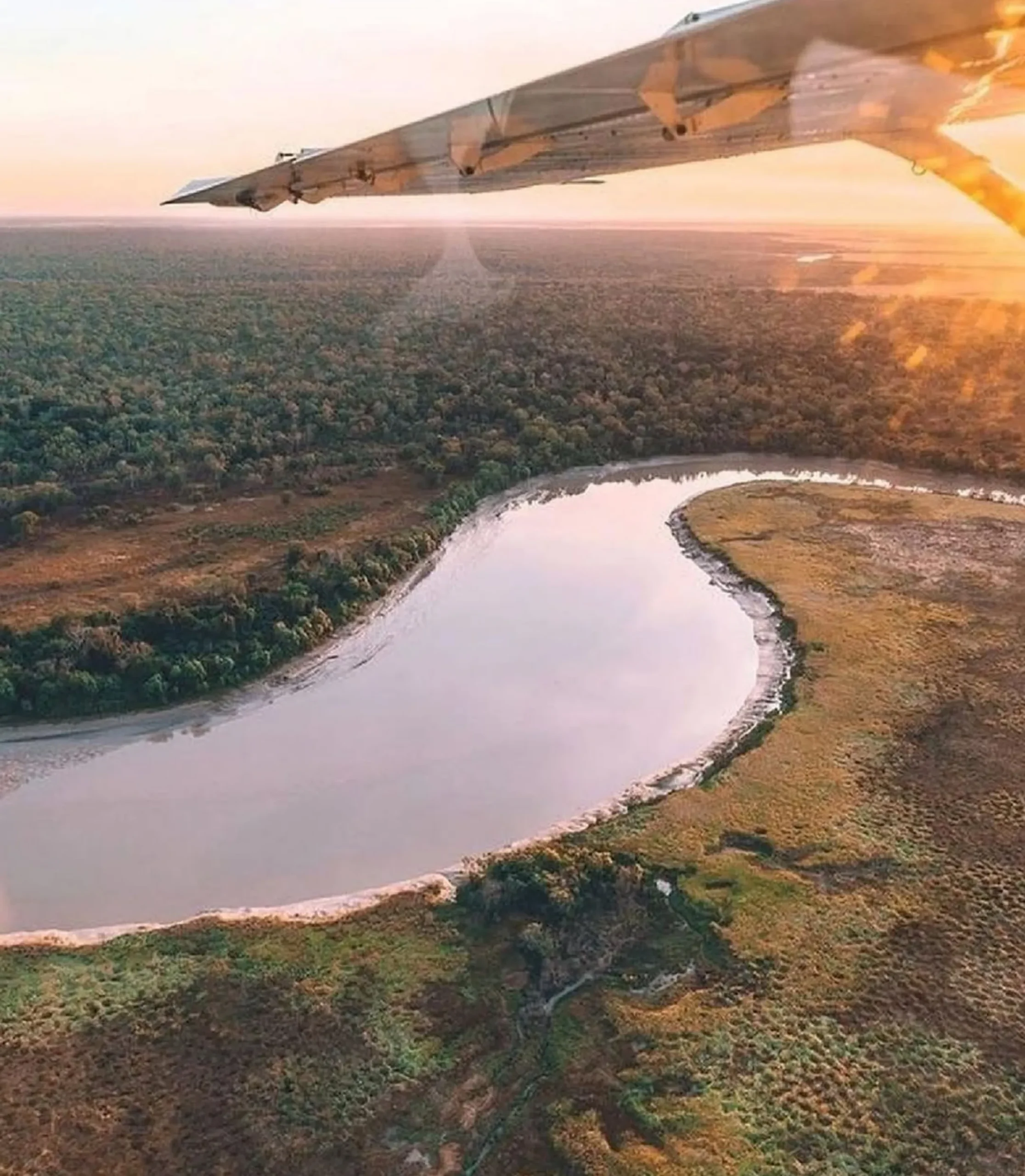
Protecting Kakadu National Park is a big ask that requires cooperation, respect and long term planning. The park’s natural values, cultural resources and ecological integrity are under threat from climate change, invasive species, mining legacies, bushfires and tourism.
The Indigenous people of Kakadu have generations of knowledge that is crucial to the park’s management. Their knowledge of seasonal changes, fire, water and land management provides a foundation for sustainable practices that benefit all Australians and the world.
Going forward the park’s management plan must continue to evolve, incorporating future climate considerations, species protection and low impact tourism. By acting now and working together we can keep Kakadu an intact landscape – a living cultural and ecological sanctuary – for generations to come.
FAQ
Why is Kakadu so important?
Kakadu is a UNESCO World Heritage Site for its biodiversity, unique ecosystems and cultural heritage including some of the oldest Aboriginal rock art in the world. It has huge natural and cultural values.
What animals are most at risk in Kakadu?
Northern quoll, magpie goose and small mammals are at risk due to invasive predators, habitat loss and environmental change, particularly climate change and invasive animals.
How does climate change affect Kakadu?
Climate change means rising temperatures, changing wet and dry season rainfall, sea level rise and disruption to freshwater habitats and floodplains. It also impacts on Indigenous cultural practices.
What is being done to manage invasive species in Kakadu?
Parks Australia and traditional owners are controlling invasive species like feral cats, cane toads and buffalo through baiting, trapping, habitat restoration and community education under a management plan.
How can tourists help protect Kakadu National Park?
Tourists can help by following park rules, respecting Aboriginal culture and sacred sites, not littering and supporting eco-tour operators. Joining a guided Kakadu tour can also increase awareness of the park’s fragile ecosystems. Visit during both wet and dry seasons to support sustainable tourism.